Industries / Health & social care
Care happens in many places. The record has to keep up.
Care is delivered away from the office, often in someone’s home, by people with little time between visits. Coordinators, carers and families each need a different view of the same visit, and what gets recorded has to stand up to review later. Personal and health data sits at the centre of all of it.
Start a project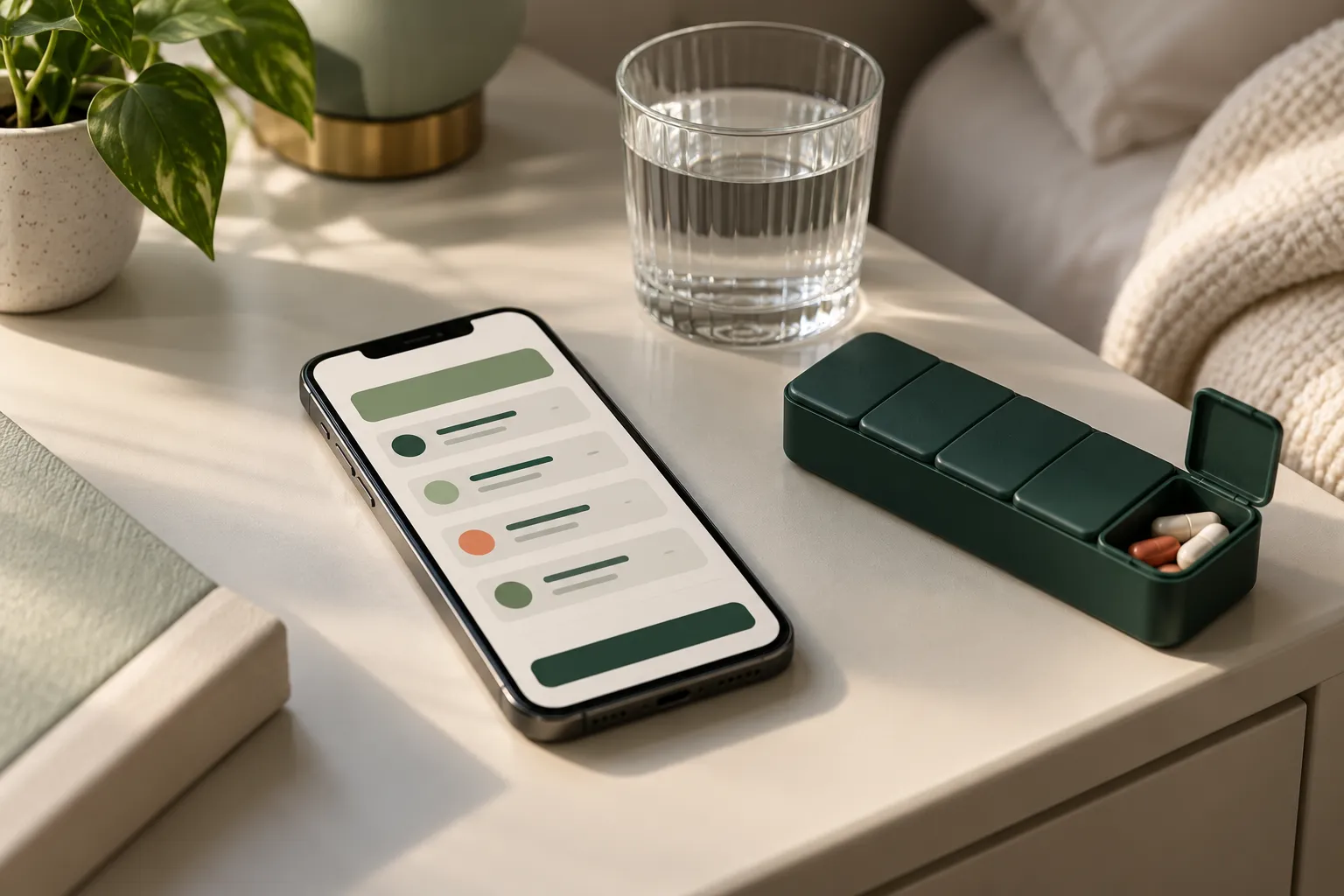
Why us
What we bring to health & social care.
We run a care platform
We design, build and operate SoulCare for UK home-care providers, so rostering, eMAR and family updates are problems we work on, not theory.
One visit, many roles
We design around coordinators, carers and families seeing the same visit in different ways, with permissions to match.
Records kept apart
SoulCare gives each provider its own database. We bring the same care for separation and access to your product.
What makes it hard
The problems software has to solve here.
Evidence of each visit
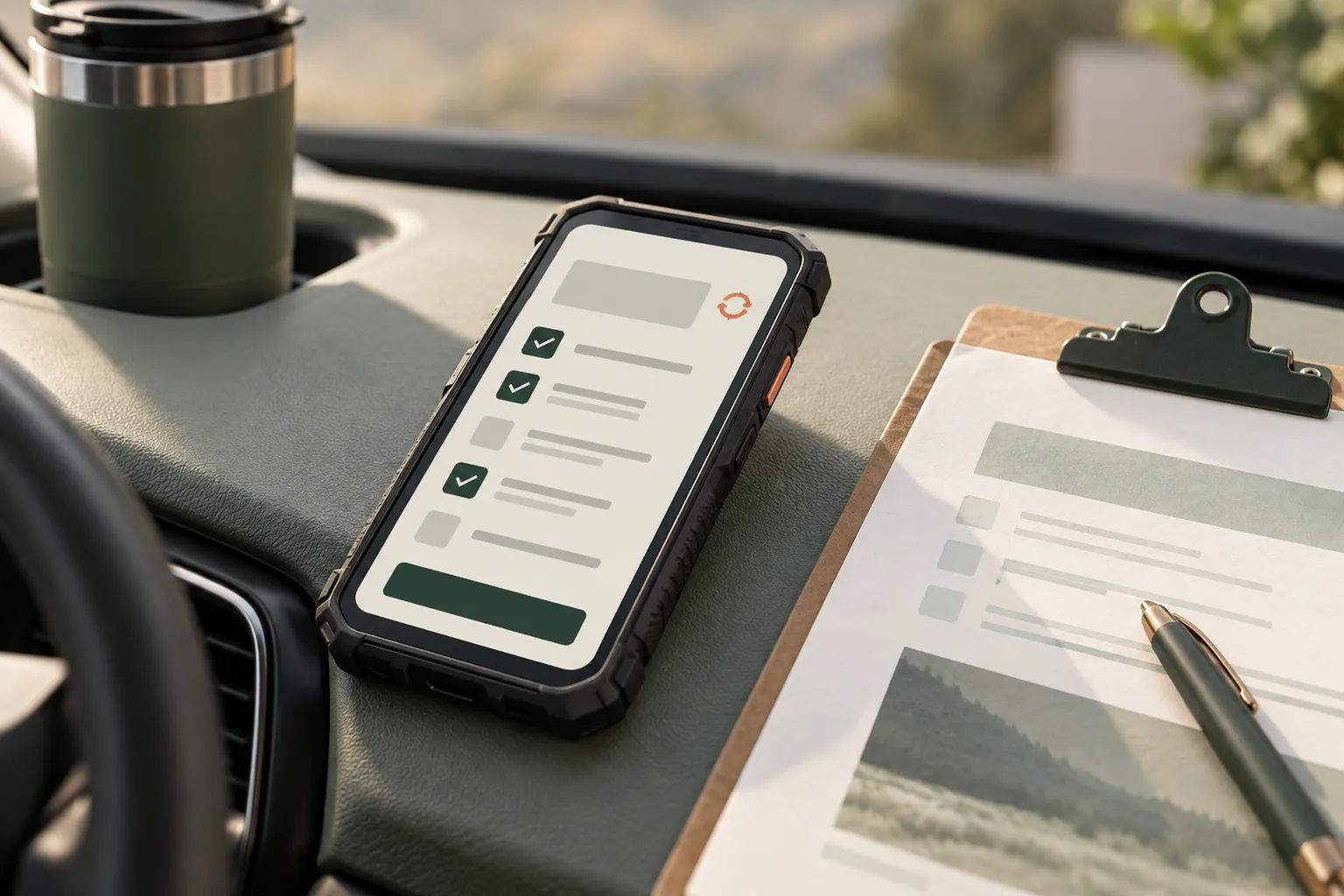
Arrival, departure, tasks and notes need recording at the point of care, on a phone, between one home and the next.
Medication records
Scheduled and as-needed doses, stock and signatures have to be accurate, quick to record and easy to review.
Changes that reach everyone
Sickness, travel and a client’s changing needs move visits daily. Each change has to reach the right carer, and families want to know what happened.
Sensitive data
Health and personal information needs role-based access, audit trails and handling that fits UK GDPR and your own policies.
The cost of leaving it
When visits are logged late or on paper, a missed call often comes to light only when a family rings the office. Coordinators spend hours chasing notes and signatures, and gathering evidence for an inspection can take days of work by hand.
What we build
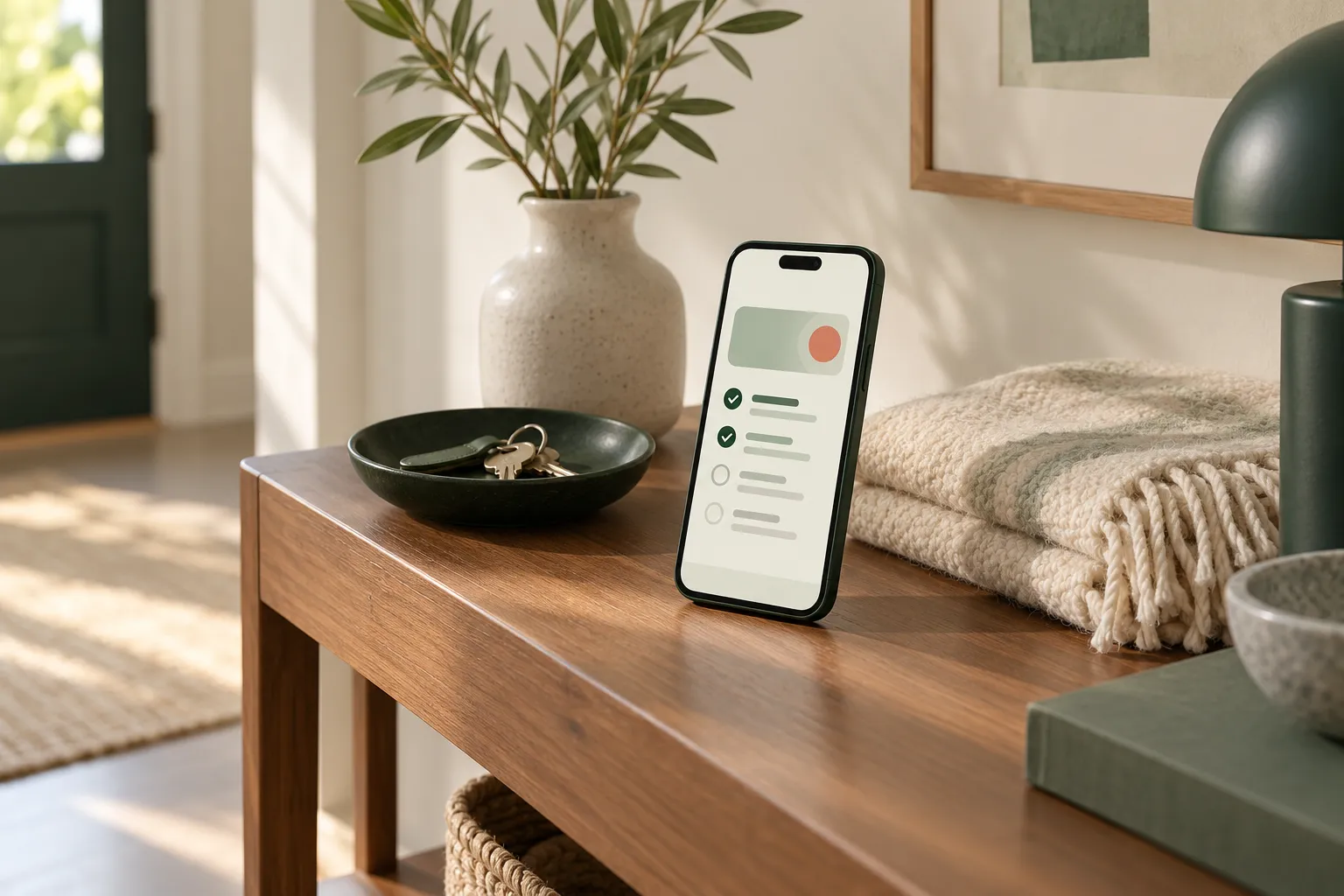
Software for the way the work is done.
Rostering & scheduling
Recurring visit templates, rosters and reassignment, with clash and travel-time checks before a change is saved.
Carer mobile apps
Daily rota, clock in and out, task checklists and medication recording on the carer’s own phone.
Medication & care records
Digital MAR charts and care notes recorded against the visit they belong to.
Family & client views
Apps that let families follow visits and raise requests without phoning the office.
Applied AI
Where AI helps in health & social care.
Weekly care summaries
Drafting a short summary from a week of visit notes, which a coordinator reads and corrects before it goes to a family or a review.
Concerns in free text
Reading carers’ notes for mentions of falls, pain or refused medication and raising them for a senior member of staff to look at.
Discharge letter extraction
Pulling medicines, doses and times from a discharge letter into draft entries that a trained member of staff checks against the original.
Where it shouldn’t decide: AI should not decide on medication, change a care plan or judge whether someone is safe. Anything it drafts about a person’s care is checked and signed off by a named member of staff.
Our applied AI work ↗Our product
SoulCare.
SoulCare, our home-care platform, connects coordinators, carers and families around one live visit record, with rostering, eMAR and finance.
Read the case study ↗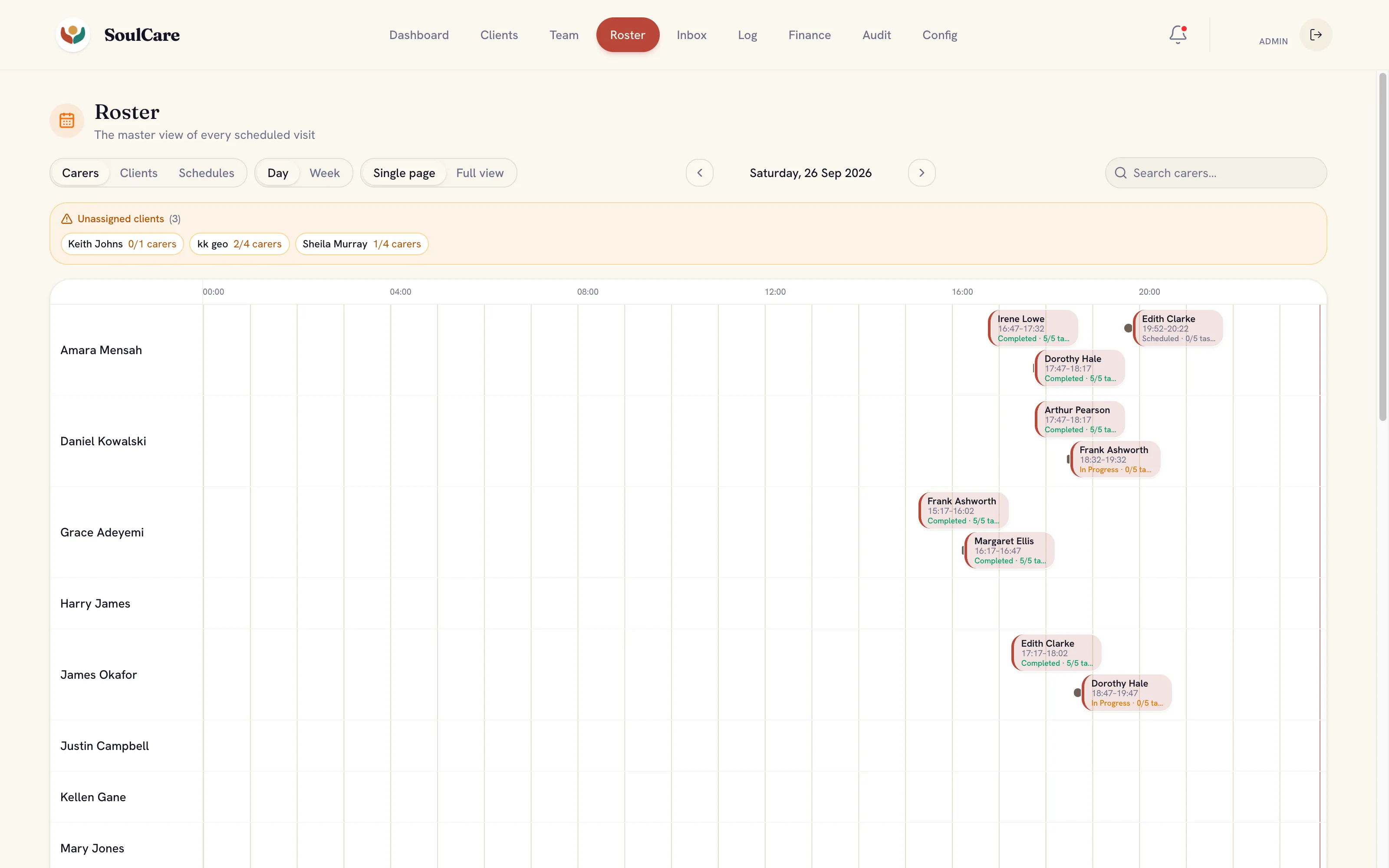
Rules and standards
What the software has to respect.
- UK GDPR
- Health data is special category data, so access is limited by role and the product records who viewed or changed each record.
- CQC Regulation 17
- Providers must keep accurate, complete and contemporaneous records, so every entry needs a time, an author and a visible edit history.
- DSPT
- Providers publish a yearly self-assessment, so the software has to support their answers on access control, backups and incident handling.
- UAE Federal Law No. 2 of 2019
- Health data from services in the UAE is stored and processed inside the country unless an exception applies, which shapes where the product is hosted.
- Saudi PDPL
- Health data is sensitive data with limits on transfer outside the Kingdom, so hosting and any processors are agreed before building starts.
We design software to support these obligations. Responsibility for meeting them stays with your organisation and its advisers.
What’s changing
Shifts to plan for.
December 2025
Most providers now digital
The government reported that four in five adult social care providers in England now use a digital social care record.
June 2025
Standards for IT suppliers
The Data (Use and Access) Act 2025 lets government set information standards that IT suppliers in health and adult social care in England must meet.
September 2024
Saudi PDPL fully enforced
The one-year grace period under Saudi Arabia’s Personal Data Protection Law ended on 14 September 2024, and penalties can now apply.
Relevant expertise
How we help.
- Product discovery Work out who the product is for, what they need first and which assumptions to test before you build.
- UX & UI design Interfaces designed around real tasks, with every state, error and edge case resolved before build.
- Web application development Browser-based tools for customers and staff, built for the data, roles and permissions behind them.
- Mobile app development iOS and Android apps that work offline, handle device permissions well and ship through the app stores.
- APIs & integrations Connect your product to the systems your team relies on, with clear contracts and handled failures.
- Cloud architecture Choose and structure cloud services around your product’s data, access and operating needs.
Technologies we often use here





Common questions
Before you get in touch.
How do you handle personal and health data?
We agree what data the product needs, who can see it and where it is hosted before building. Role-based access, audit trails and data separation are part of the design, and we work through the approach with your data protection lead.
Can it work alongside our existing care or clinical systems?
Often, depending on what those systems expose. We review the available APIs, exports and data formats first, then decide whether to integrate, migrate or run alongside them.
How do you involve carers and coordinators?
We look at how the work is done today and test prototypes of key tasks, such as recording a visit or a dose, with the people who do them. Their time is limited, so sessions are short and focused.