Industries / Property & field services
Every job passes through several hands before it is done.
A single repair can involve a customer, an inspector, a worker and the office, each holding part of the picture. The work happens on site, on a phone, between other jobs. When requests arrive by phone, email and message, status and costs end up tracked informally.
Start a project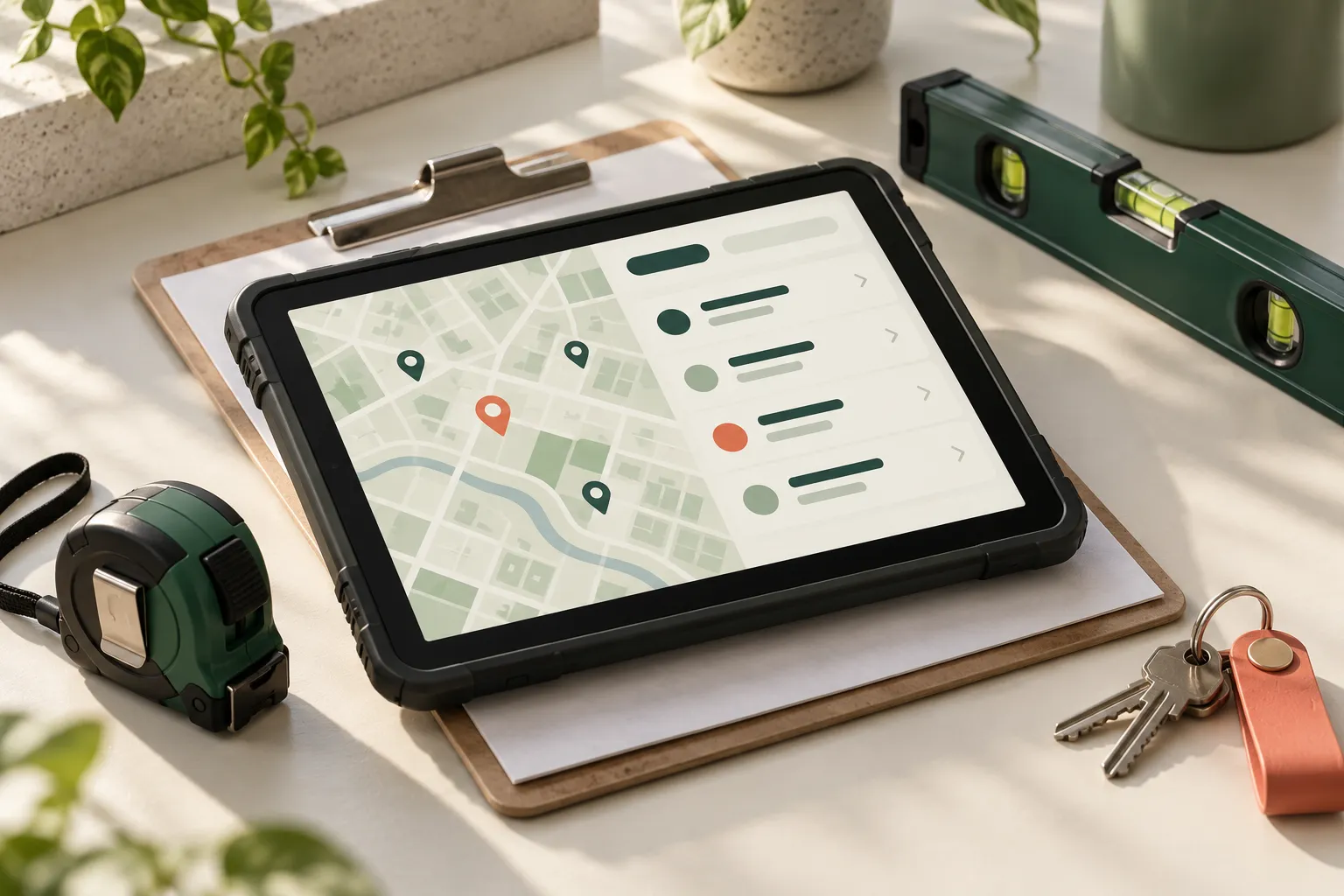
Why us
What we bring to property & field services.
Building for the sector now
HomeCare, a property-maintenance platform in development with a client, connects requests, inspections, dispatch and payments.
Field and office on one job
Engineers on site and staff in the office see the same job record, so nothing is retyped from a phone call.
Deadlines the software tracks
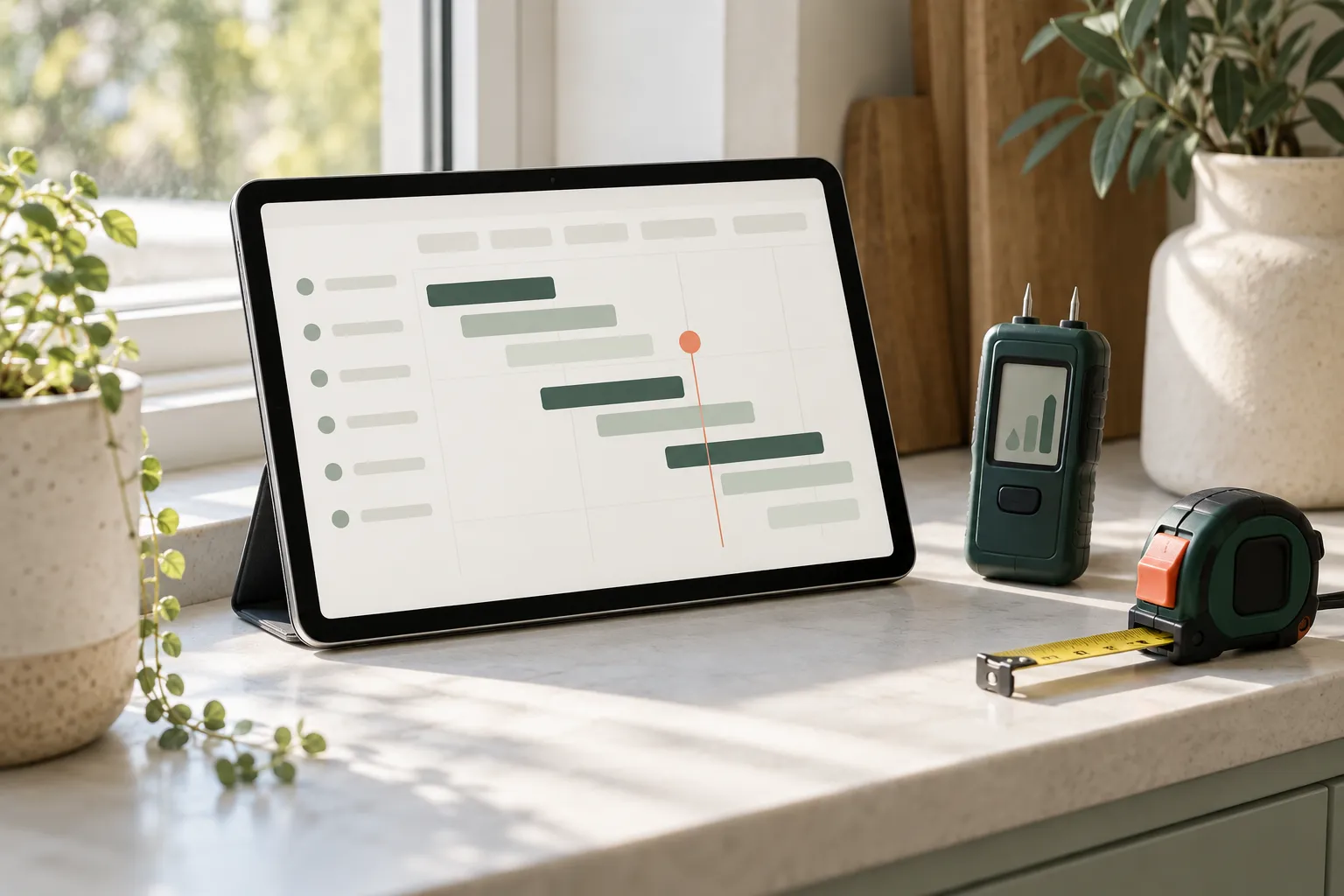
Repair timescales, certificates and inspections tracked against their dates, with a record of who did what.
What makes it hard
The problems software has to solve here.
Requests from everywhere
Calls, emails and messages land in different places, so some go unanswered and nobody sees the whole queue.
Dispatch by memory
Matching a job to the right person by skill, availability and location often depends on one person’s knowledge.
Evidence from site
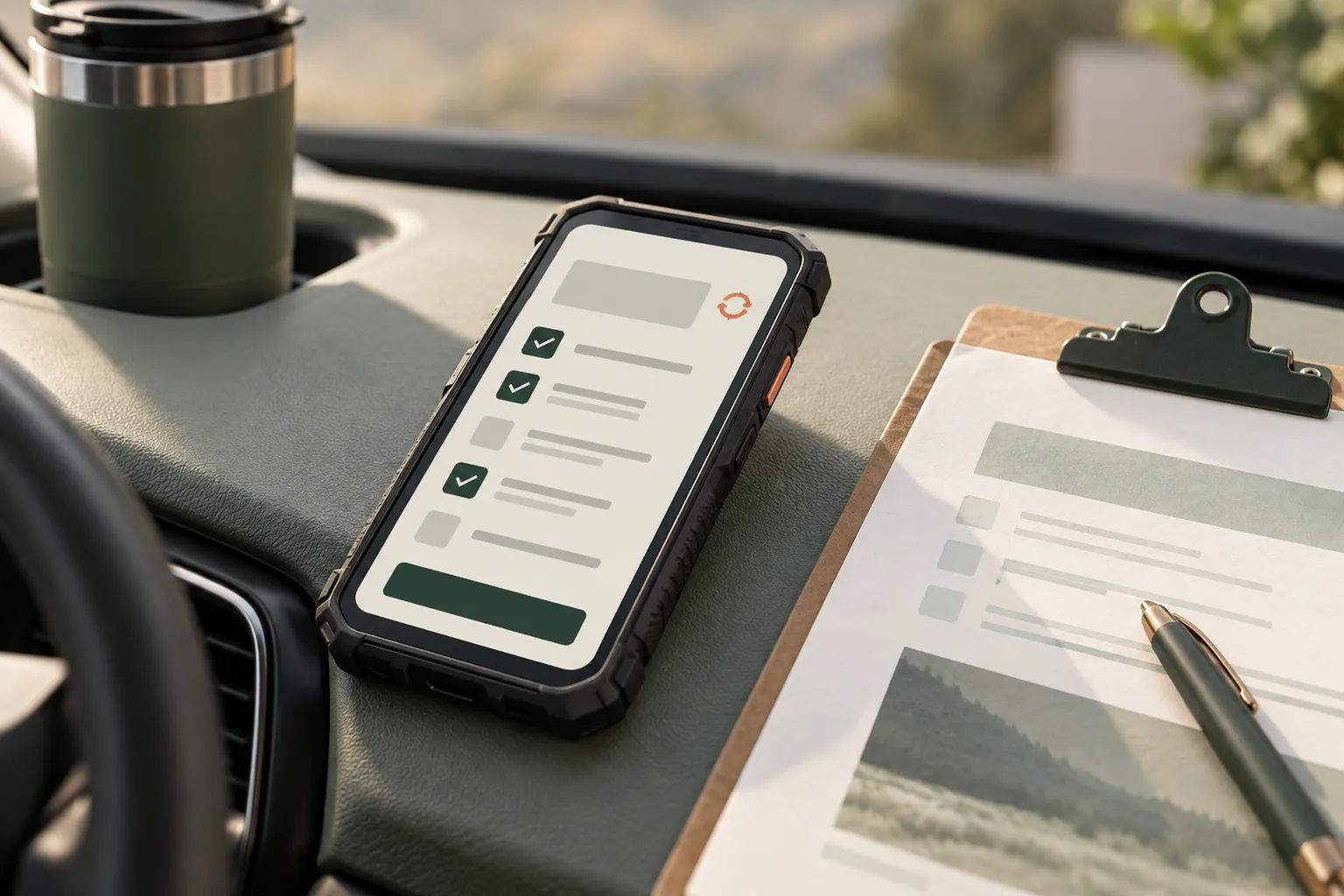
Photos, checklists and notes have to be captured on a phone at the job and attached to the right record.
Costs and payments
Budgets, approvals, customer payments and payouts need to trace back to the work actually done.
The cost of leaving it
Workers arrive without the right part or the access details, so the job becomes a second visit. Certificates and inspection photos sit in inboxes and van cabs, and someone rebuilds the record by hand when a tenant complains or a regulator asks for it.
What we build
Software for the way the work is done.
Customer apps & portals
Request, quote, book and track work, with photos or video to explain the problem.
Field worker apps
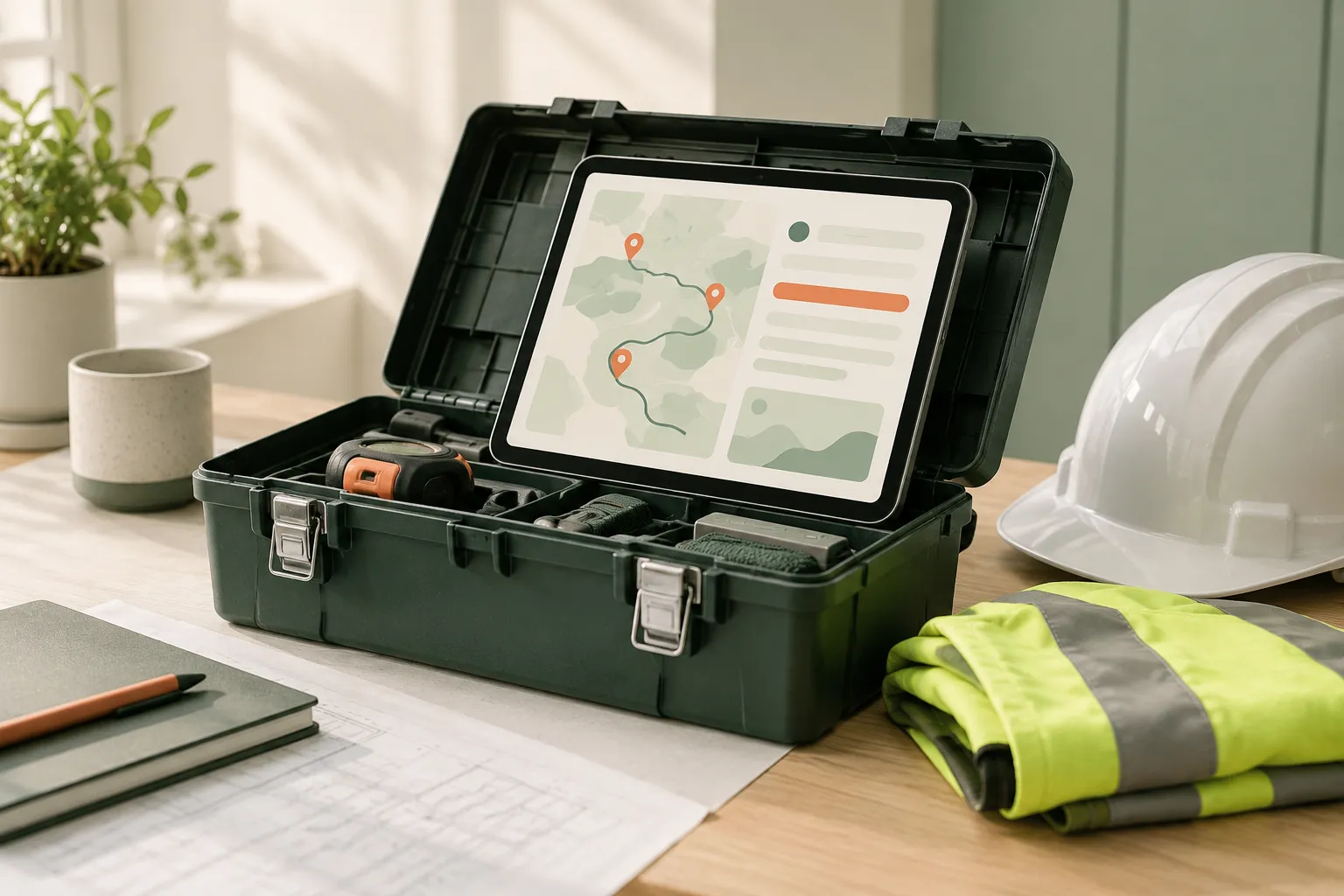
Job lists, navigation, checklists and evidence capture for inspectors and workers on site.
Operations consoles
Dispatch, service configuration, complaints and reporting in one place for the office.
Payments & integrations
Checkout, payouts and connections to accounting or existing systems, with an audit trail.
Applied AI
Where AI helps in property & field services.
Triage incoming requests
Read a tenant’s message and photos, suggest a trade and priority, and flag possible damp, mould or safety wording for a person to confirm.
Read certificates
Pull dates, addresses and results from gas, electrical and fire reports into the property record, with low-confidence fields sent for review.
Draft job summaries
Turn a worker’s notes and checklist into a short written summary for the tenant or client, which the office edits before it is sent.
Where it shouldn’t decide: AI should not decide whether a hazard is an emergency, sign off a safety check or close a complaint. A competent person makes those calls, and the record shows who did.
Our applied AI work ↗Client work · In development
HomeCare.
HomeCare, a property-maintenance platform we are building for a client and still in development, connects customer requests, inspections, dispatch and payments.
Read the case study ↗Rules and standards
What the software has to respect.
- Awaab’s Law
- Social landlords must investigate and fix hazards within set timescales, so each report needs a timestamp, a clock and a written summary for the tenant.
- Gas Safety (Installation and Use) Regulations 1998
- Landlords need an annual check by a Gas Safe engineer, so renewal dates, copies for tenants and two years of records have to be tracked.
- Building Safety Act 2022
- Higher-risk buildings need a digital golden thread of safety information, kept accurate and shared with the right people as work changes the building.
- UK GDPR & UAE PDPL
- Tenant details, photos inside homes and worker locations are personal data, so access, retention and where data is hosted need deciding up front.
- Dubai Law No. 6 of 2019
- Service charges for jointly owned property need RERA approval, and management entities report maintenance to RERA, so costs must trace back to work done.
We design software to support these obligations. Responsibility for meeting them stays with your organisation and its advisers.
What’s changing
Shifts to plan for.
October 2025
Awaab’s Law in force
Fixed timescales for emergency and significant damp and mould hazards in social housing began. Phase 2 adds more hazards, including excess cold, from 30 November 2026.
Late 2025
Electrical checks reach social housing
Five-yearly electrical inspections now apply to social tenancies: new ones from late 2025, existing ones from 1 May 2026, with remedial work due within 28 days.
May 2026
Renters’ Rights Act reforms
Private tenancies in England became periodic and section 21 evictions ended, changing how landlords and agents handle tenancies, rent increases and records.
Relevant expertise
How we help.
- Product discovery Work out who the product is for, what they need first and which assumptions to test before you build.
- UX & UI design Interfaces designed around real tasks, with every state, error and edge case resolved before build.
- Web application development Browser-based tools for customers and staff, built for the data, roles and permissions behind them.
- Mobile app development iOS and Android apps that work offline, handle device permissions well and ship through the app stores.
- APIs & integrations Connect your product to the systems your team relies on, with clear contracts and handled failures.
- AI agents Agents that work through a multi-step task with your tools, inside limits you set, with a person approving what matters.
Technologies we often use here






Common questions
Before you get in touch.
How do you involve inspectors and field staff?
We look at how jobs are handled today and test prototypes of key tasks with the people who do them, such as accepting a job or recording evidence, before engineering begins.
Can it connect to our accounting or job management software?
We review the APIs and exports those systems offer before committing. Integrating, migrating or running alongside are all options, and we agree which fits.
How is customer and property data protected?
We agree what each role can see, where data is stored and how long it is kept, in line with UK GDPR and your policies. Role-based access and audit trails are part of the design from the first release.